30

Oct

What Most Companies Get Wrong About Warehouse Mezzanine Floors

When warehouse owners are looking to improve the layout of their unit or increase storage capacity there are plenty of efficient and space-saving options they can incorporate. Anything from different racking systems that maximise capacity to wall partitioning systems that can divide the warehouse floor into zones. But, when your floor space is at maximum capacity you either have the expensive option of building alterations, relocation or, what are becoming the go-to solution – warehouse mezzanine floors.

Yet, while mezzanine floors can easily create additional floor space, finding a compliant solution that works for your business is harder to achieve. In our blog we look at the dos and don’ts of installing warehouse mezzanine floors.

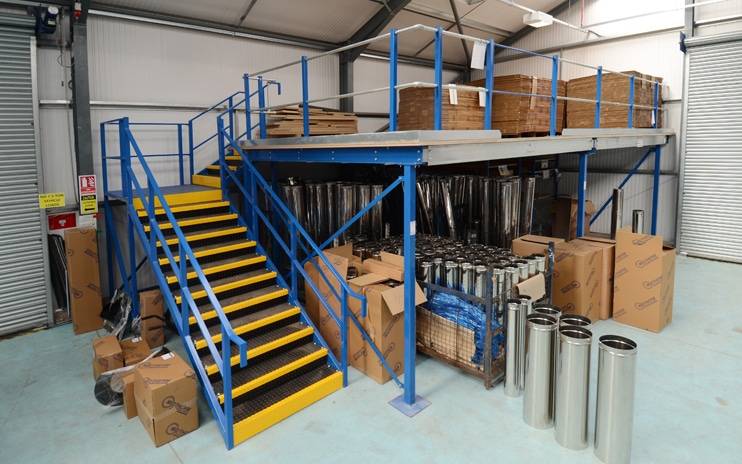
Warehouse mezzanine floors in factory

What is the purpose of warehouse mezzanine floors?

When you step into most warehouses, you usually find a significant volume of unused vertical space sitting directly above your head. Mezzanine flooring simply utilises an area that would otherwise go unused and turn it into a valuable asset, maximising storage space.

A mezzanine will provide numerous solutions for your warehouse including:

  • Quickly creating more floor space

    A mezzanine sits above the traditional footprint of your warehouse and creates an additional floor. However, the big bonus is the fact there is limited building work involved in their installation, they are typically quick to install with minimal disruption to your everyday warehouse operations.

  • Reduce costs and increase profitability

    Most business owners would prefer to avoid the high cost and disruption of extending their current unit or relocating to a bigger warehouse. However, when space is limited this can impact on business growth. A factory mezzanine floor is a cost-effective storage solution that allows your business to expand. Plus, as a modular solution, you can easily adapt or extend your mezzanine in the future as your business continues to grow.

  • Enhance your operations

    A warehouse relies on numerous teams to ensure it runs at optimum productivity. The roles of inventory control, warehouse operations, order fulfilment, sales teams, administrators and project managers all need to interlink to ensure a seamless deliver on customer orders. Warehouse mezzanine floors can bring your teams together into one space by creating unique work zones that suit your requirements. You can even add soundproofing to your mezzanine to create an office space that still feels quiet even in the middle of a busy industrial environment.
What is the structure of a mezzanine floor?

Most mezzanines will bear common design features, each incorporated for safety, storage, or access requirements. Here at Teepee, our floors can be designed with all of the following:

Key Design Features of Mezzanine Flooring:

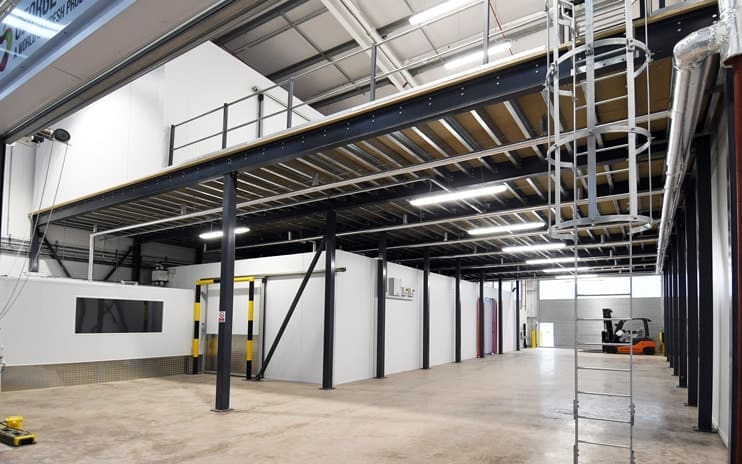
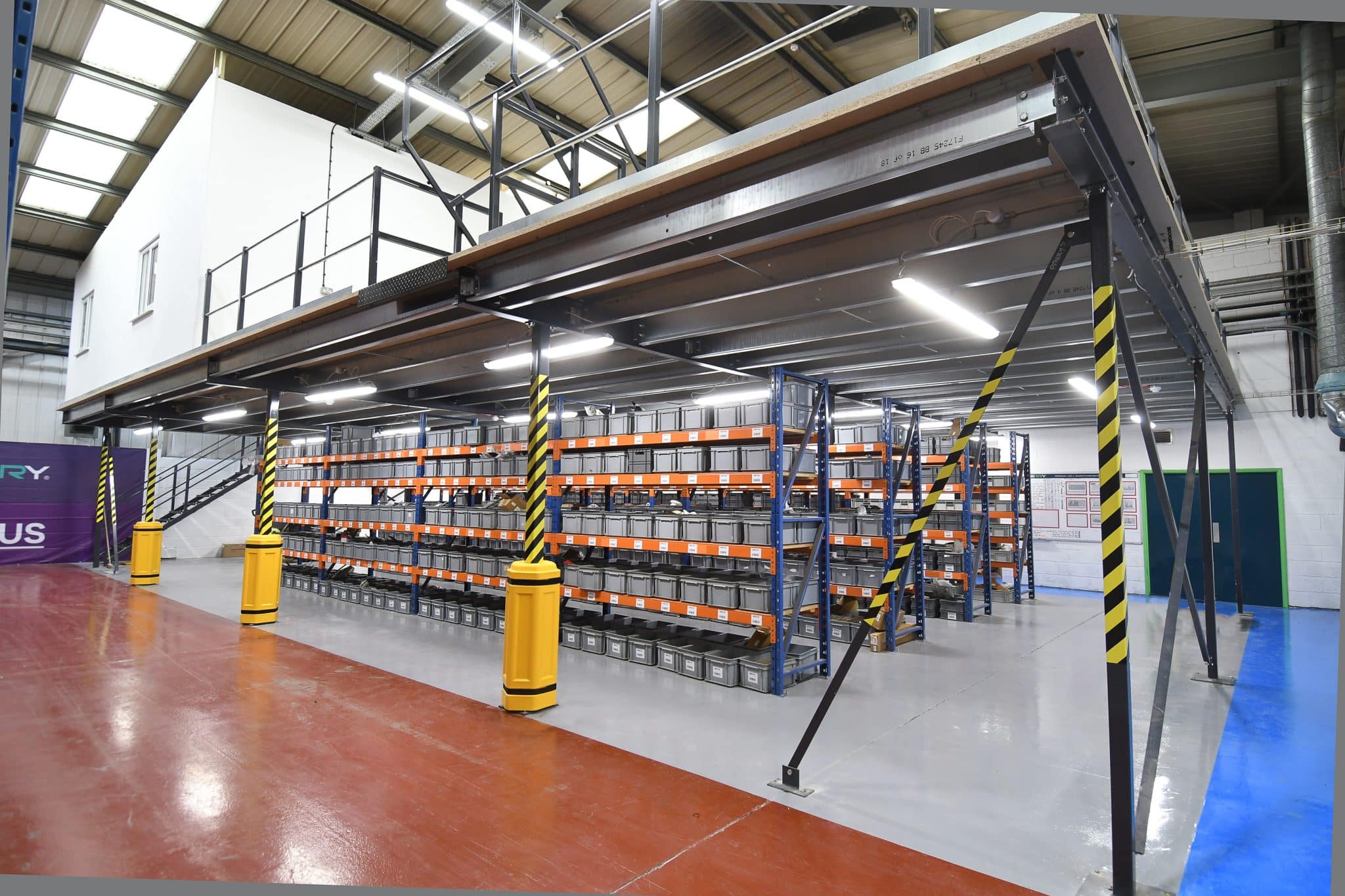
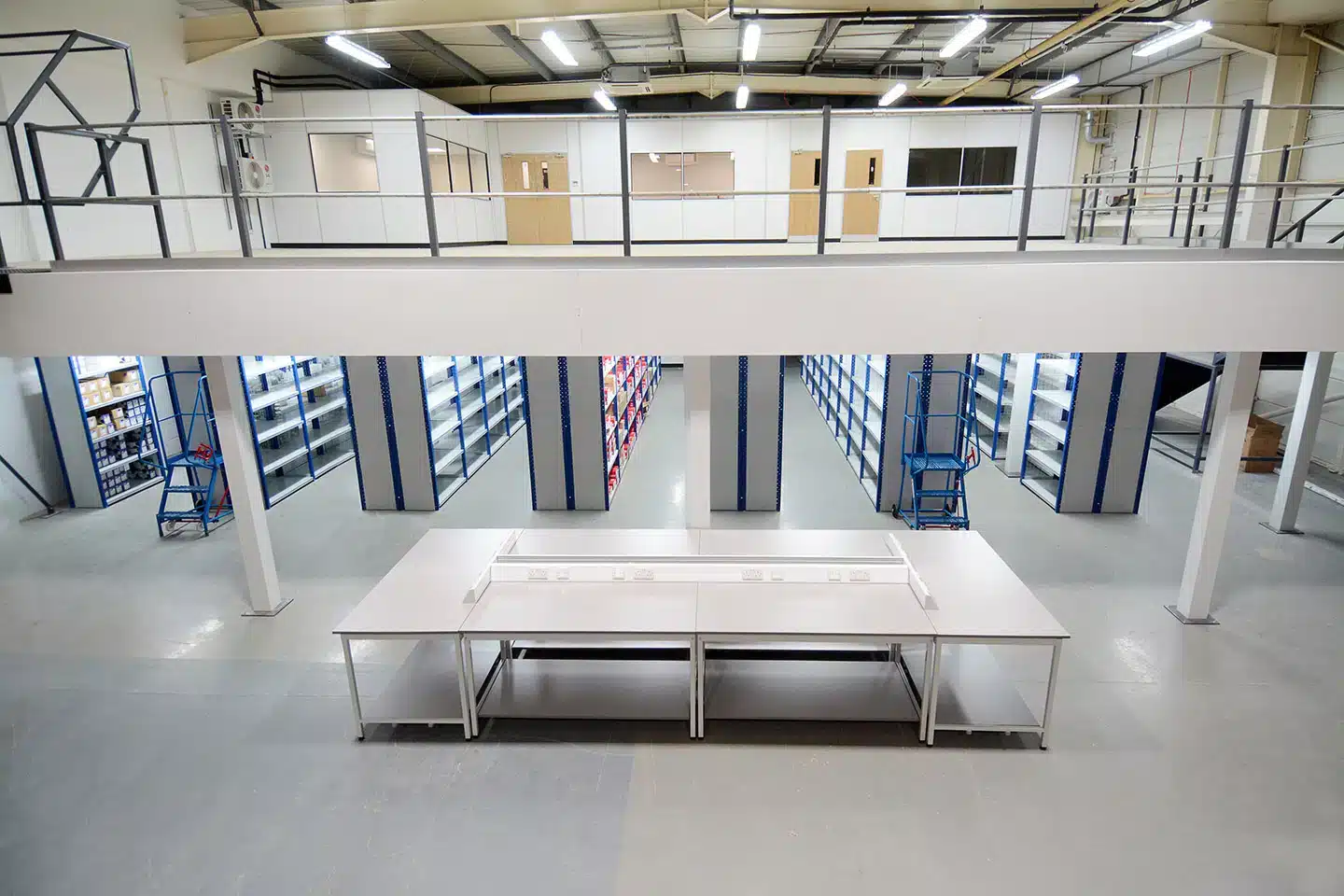
  • Columns – the mezzanine platform is raised above the warehouse floor with columns and metal support beams made from steel or aluminium.
  • Access – custom-designed staircases are the most commonly used methods to access the mezzanine including straight, U-shaped, or L-shaped options. However, you can also have the option to install goods lifts and hoists for safe vertical movement of heavy items.
  • Floor space – you can choose from either a fully enclosed floor with walls and partitions or partially enclosed to leave an ‘open’ balcony-style appearance. You can also opt for a partial extension across the floor to allow visibility of ceiling of the next floor level.
  • Flooring – you can choose options such as timber decking and steel chequer plate
  • Safety features – this includes details such as handrails and safety barriers.
  • Lighting and electrics – including emergency lights and cable trays. We can also install alongside HVAC systems.
What are the key mistakes a business can make with a warehouse mezzanine floors?

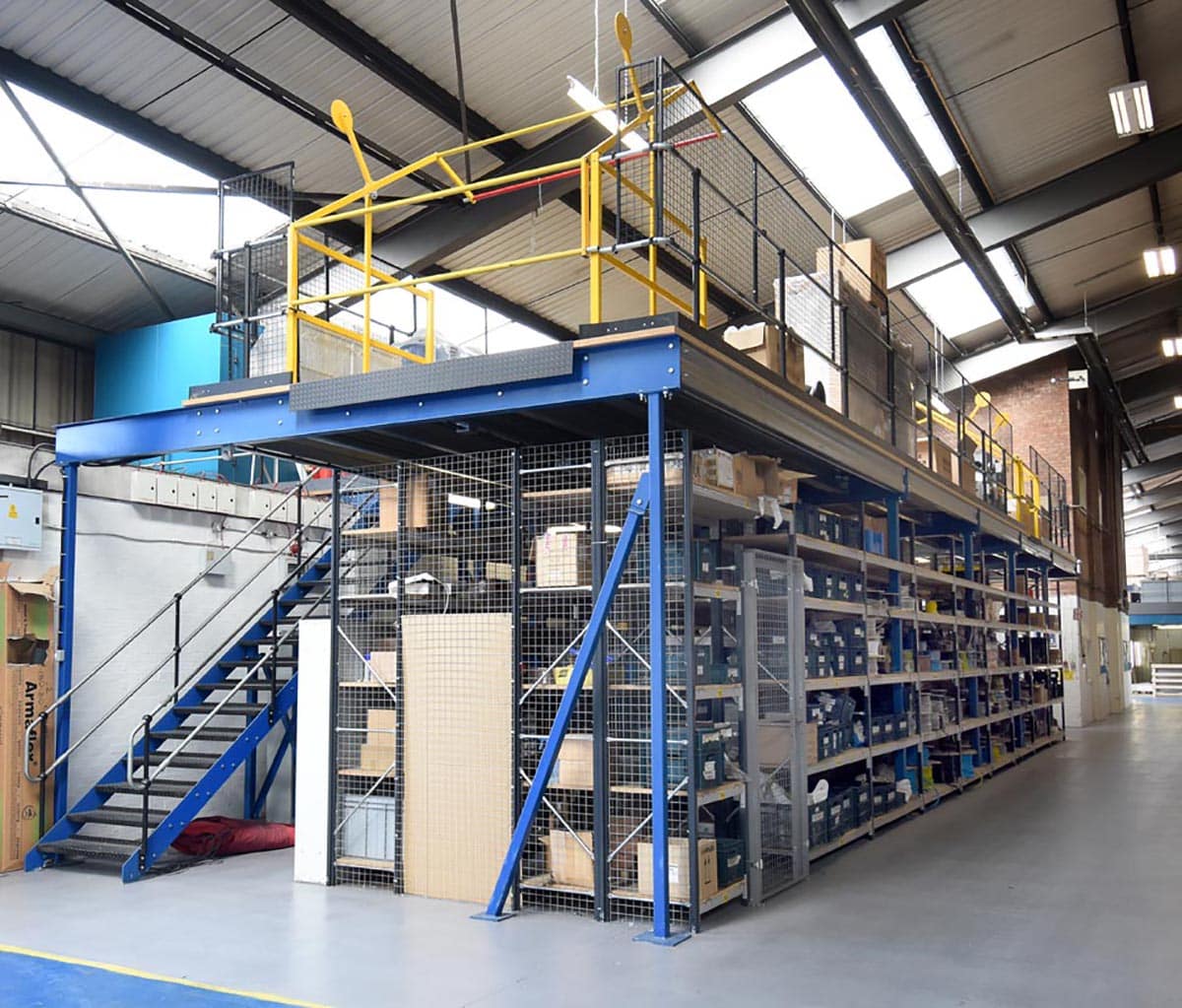
While warehouse mezzanine floors are a great cost-effective and efficient storage solutions for giving your warehouse a boost, there are a number of key considerations needed in the planning and design of your new structure.

Not meeting warehouse mezzanine floors Building Regulations

While a mezzanine floor is viewed as a ‘temporary’ structure, which usually avoids needing planning permission, it still has to meet other regulations.

Before designing and installing your storage mezzanine floor you will need to consider the following:

  • Landlord Approval – If you lease the property, you will need permission from your landlord before installing a mezzanine.
  • Ceiling height – to provide enough head clearance on a mezzanine you will need to allow a height of approximately 4.5m between the floor and the ceiling.
  • Safety standards – you must include edge protection such as handrails and kicker boards.
  • Building regulations approval – all new factory mezzanine floors need to meet Building Regulations requirements to ensure it is certified for safe use.

Not choosing the right type of warehouse mezzanine floors to meet business requirements

Mezzanine floors can be used for a wide variety of functions – additional space for an office, creating extra storage or used as a production area. But, understanding what the mezzanine will be used for will determine critical factors including the design of the structure and what safety features to incorporate.

Not all mezzanine floors suit every environment therefore pick the right type for your business:

  • Warehouse mezzanine – these structures are designed to hold heavier loads than those in commercial or retail units making them ideal for additional storage.
  • Industrial mezzanine – if you’re looking to use the space for loads such as manufacturing processes, mechanical plants or production space you will need an industrial mezzanine floor.
  • Office mezzanine – these office mezzanine floors are designed for additional office facilities and space and include partitioning walls, insulation and even soundproofing to block out warehouse sounds.
  • Multi-tier mezzanine – if you’re looking to maximise the vertical space in your high-bay warehouse you can opt for a multi-tier structure which builds levels on top of a standard mezzanine.
Not meeting the loading capacity of warehouse mezzanine floors?

The loading capacity of your mezzanine is critical. A typical warehouse mezzanine is engineered to hold between 360kg and 1,000kg per square metre. But, if your requirements changed and you decided to add heavier stock or machinery on to the structure it will place additional stress on the structure. Over time, the additional load will weaken the structure and increase the chance of it collapsing.

When we design warehouse mezzanine floors, the structure will be bespoke to your specific weight requirements. We will conduct structural assessments to determine the load distribution and design the quantity, thickness, spacing and size of the steel sections to ensure the structure is safe.

Not meeting fire regulations

Another area to pay particular attention is fire safety and access requirements. Even though mezzanines are classed as “temporary structures,” they must comply with regulations relating to load capacity, fire escapes, lighting, and access. All mezzanine floors require fire escapes with clearly marked routes and access for emergency services with other options including suspended ceilings, column casings, fire protection with staircase enclosures and sprinklers.

Be aware that UK building regulations may also require a fire-rating of one hour on certain structures.
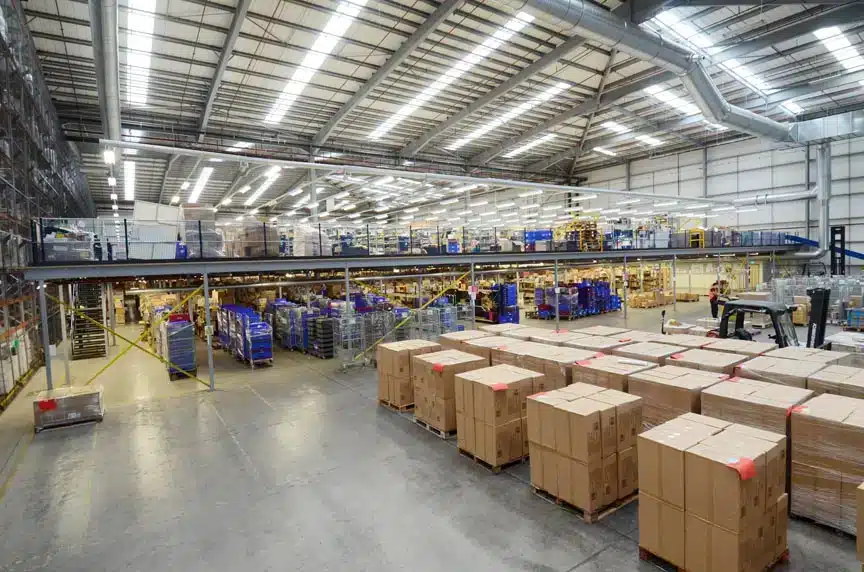
a full warehouse with warehouse mezzanine floors for online stock

Not designing the mezzanine for warehouse operations

How will the mezzanine fit seamlessly in your space – a key factor when retrofitting into an operational warehouse. If you don’t consider how the mezzanine will fit in your footprint and work around existing racking or machinery, it could change the flow of your warehouse resulting in bottlenecks.

The final design of your mezzanine should look at how your team access and exit the space, enhance your current processes and improve the operational flow of your space to increase space optimisation. Will you need on-floor design features such as doors, windows, and wall partitions to create separate rooms for offices, canteens, clean rooms, or segregated work zones? If you’re using the space to store stock or for manufacturing, have you considered how the items will get on and other the floor? Do you need to provide adequate space for other equipment or automation systems?

Don’t worry, when you work with Teepee, we’ll create mezzanine solutions that help you work through all the small details which make the difference between a successful mezzanine that boosts your operations.

Failing to future-proof your mezzanine structure

Warehouse needs often change which is why you should always future proof storage equipment such as racking and shelving to allow for growth and additional storage areas. The same concept should apply to your mezzanine floor. As a modular structure, there are options to extend, reconfigure or relocate the structure to provide new storage solutions when required.

One of the smartest moves a warehouse can make is to design mezzanines with future flexibility by increasing the weight loading capacity of the structure. Even if automation or heavier loads aren’t on the horizon today, they may well be in three or five years’ time. Building in extra load tolerance at the outset saves costly modifications down the line.

Of course, any new systems such as conveyors, AMRs and shuttle systems will create additional loads on the structure and you should only add new equipment once you have spoken to your supplier and a structural engineer.

Need a mezzanine – work with Teepee

Thinking of having a mezzanine installed? Here at Teepee, we have over 40 years of industry expertise in storage solutions. Work with us and we’ll provide you with a free site survey and design consultation with our design team to ensure your bespoke mezzanine is tailored exactly to your business. We can typically install your warehouse mezzanine floor, from design approval to completion, in as little as 3 to 6 weeks.

Mezzanine floor FAQ:

  1. How much do warehouse mezzanine floors cost?

    The cost of a mezzanine floor depends on several key factors. Larger floors and those built to support heavy industrial loads will naturally cost more due to the stronger materials and structural supports required. However, other factors will impact on the price including extras such as goods lifts, pallet gates, lighting, partitions and finished flooring. Other factors include fire rating (typically 30–60 minutes), access equipment like staircases or conveyors, and any bespoke design or fit-out needs. Costs can also vary depending on the complexity of the project.

    At Teepee, every mezzanine is tailored to your facility, get in touch for a no-obligation quote to find out how much a mezzanine might cost your business.

  2. What happens if a mezzanine floor is overloaded?

    Overloading can cause deflection, vibration, or even structural failure. This not only puts your staff at risk but also breaches safety and compliance laws. Installing a mezzanine that’s not correctly rated for its intended load is one of the most common mistakes warehouse operators make. You’ll typically need a minimum internal height of 4.5 to 5 metres to allow for safe head clearance above and below the mezzanine. This ensures the space remains functional and compliant with building regulations.

  3. How high does my warehouse need to be for a mezzanine floor?

    You’ll typically need a minimum internal height of 4.5 to 5 metres to allow for safe head clearance above and below the mezzanine. This ensures the space remains functional and compliant with building regulations.

  4. Can I add shelving or pallet racking on warehouse mezzanine floors?

    Yes, but the mezzanine must be engineered for the additional load. Storage mezzanine floors that support racking or shelving require higher load ratings and may need reinforcement columns or thicker decking materials.

  5. How do I ensure my mezzanine is compliant and safe?

    Work with a reputable installer like Teepee, who will handle the design, engineering calculations, Building Regulations submissions, and fire safety requirements. Every mezzanine should come with load signage, handrails, kickboards, and certified drawings.

25

Jan

Mezzanine Floor Installation Avoiding Disruption

Teepee’s 7 Top Tips to Minimize Disruption When You Have a Mezzanine Floor Installed

Expanding your workspace with a mezzanine floor can be a game-changer for your business, providing much-needed room without the hassle and cost of moving to a larger facility. While the installation process can seem daunting, careful planning and strategic execution can minimize disruptions and ensure a seamless transition. To help you navigate this transition smoothly, we’ve compiled seven top tips to minimise any potential disruptions whilst you undergo a Mezzanine floor installation.

Mezzanine floor installation

  1. Plan and Schedule Your Installation Proactively

A well-crafted plan is the cornerstone of a smooth installation. Collaborate closely with your mezzanine floor supplier to identify the least disruptive periods for your operations. Coordinate the installation around your business’s least busy times, such as weekends, or during scheduled downtime. This ensures that the disruption is minimal and controlled, allowing your regular operations to continue as smoothly as possible.


  1. Choose an Experienced and Skilled Supplier

The right mezzanine floor supplier plays a pivotal role in minimising disruption during your installation. Opt for a company with a proven track record of efficiently installing mezzanines without compromising quality. Experienced suppliers understand how to work within your constraints and are skilled at ensuring the installation process is as non-intrusive as possible. They should also understand your unique needs and can tailor their approach to minimise disruptions within your operations.


  1. Consider Modular Mezzanine Systems


Modular mezzanine systems are designed to revolutionise your mezzanine floor installation for quick installations and minimal disruption. These systems often come with prefabricated components that can be assembled on-site, reducing the need for extensive construction work. This approach significantly shortens the installation timeline, allowing you to regain your workspace sooner.


  1. Communicate with Your Team

Open and clear communication with your team is essential for a smooth transition. Let your employees know about the mezzanine floor installation plans, including the expected timeline and any changes in workflow or access to certain areas. Addressing their concerns and keeping them informed can help reduce anxiety and maintain productivity.

warehouse mezzanine floor installation

  1. Utilise Temporary Storage Solutions

Before the installation begins, consider temporary storage solutions to relocate items from the installation area. This ensures that valuable equipment and inventory are protected during construction and minimizes disruptions caused by moving items around during installation. This proactive approach ensures that your belongings are safely secured while construction takes place, minimising disruption and potential damage.


  1. Coordinate Logistics

Coordinate the logistics of the installation process with your mezzanine floor supplier to streamline logistics management. This includes scheduling deliveries, arranging for necessary equipment, and ensuring that the installation crew has access to the site without interrupting your daily operations. This coordinated approach guarantees efficiency and minimizes disruptions to your workflow.


  1. Post-Mezzanine Floor Installation Adjustments

After the mezzanine floor is installed, expect initial fine-tuning to ensure optimal performance and seamless integration with your existing workspace. Collaborate closely with your supplier to address any minor adjustments or additional work needed to fully optimise the mezzanine floor and enhance your overall functionality.


Contact Teepee Today for Your Minimally Disruptive Mezzanine Floor Installation!

Installing a mezzanine floor is an investment that can significantly expand your workspace, enhance efficiency, and elevate your business to new heights. With careful planning, open communication, and the assistance of an experienced mezzanine floor supplier like Teepee Warehouse Solutions, you can minimize disruption during the installation process.

By following these seven tips, you’ll not only ease the transition but also ensure that your business continues to thrive throughout the installation of your new mezzanine floor.

Contact Teepee Warehouse Solutions today to discuss your mezzanine floor installation and discover how we can help you optimise your space without disrupting your business’s operations.


28

Sep

Types of Mezzanine Floors

If you are looking to acquire a mezzanine floor for your company building, then you must know the differences between each type of mezzanine floor to know which one will be the best for your requirements, and most importantly, what are their functions. Therefore, we at Teepee Warehouse solutions, have pulled some nice information to help you.

What Is a Mezzanine Floor?

A mezzanine floor is an intermediate floor constructed between the building floor and roof. It can and should be tailored made for each client, so it can increase storage and/or productivity capacity by maximising the building floor space.

What Are The Mezzanine Floor Functions?

Mezzanine floors are easy to install, easy to maintain and very durable, and the best part is that they can help you to save lots of money by increasing your floor space and taking away the necessity of relocating and paying for a bigger space when it is not necessary.

The mezzanine floors also have a modular and fully demountable design, so if you need to extend or do need to relocate, there are no headaches!

They can include many features, which again, can be tailored to each requirement and building space. These are:

mezzanine floors solutions

  • HVAC – Air ventilation and cooling or heat systems
  • Fire-protected staircase enclosure
  • Fire rating of mezzanine
  • Electrical work such as data cabling, small power, lighting, and smoke detection
  • Access equipment such as goods lift and conveyors
  • Partitions with acoustic, glass, steel walls, etc.


Types of Mezzanine Floors

Each type of mezzanine floor will acquire different features. These can have one or more functions, and one or more tier levels and the final design will be also done accordingly to the client’s requirements. The types of mezzanine floors available are:

Great to create extra space for picking and packing operations, storage of pallets, and archive storage facilities. Without compromising floor space.

Great to create extra floor space for open-plan offices, training rooms, meeting rooms, staff breaks, and toilets. You can add an office mezzanine floor to a warehouse and a manufacturing environment.

Great to increase floor area to cope with increased demands and manufacturing area, it can also extend production area, manufacturing rooms, inspection rooms, and maintenance rooms.

Great to add more space for storage of goods, working space, and as well as the office mezzanine floors, the retail mezzanine floors can also be added toilets and offices for meetings and receiving clients.

Mezzanine Floor Functions

Hiring a Warehouse Solution Service

Just make sure to select a reliable service that will follow all guidelines so your premises will be under all regulations and your mezzanine floors will also be durable and efficient. At Teepee Warehouse Solutions, we can install and design the best mezzanine floors, accordingly to your requirements and needs.

Our team is highly trained and certified, and our customer service is just excellent. We are committed to excellence, and we aim to provide the best service possible with minimal disruption.

As well as the mezzanine floors, we also offer a nice range of warehouse solutions, including pallet racking, racking inspection training and shelving. For more information, don’t hesitate to contact our team. We are happy to answer any queries you may have!

30

Aug

Benefits of a Mezzanine floor installation

What are Mezzanine Floors?

Mezzanine floors are the ideal solution for premises that need extra space but don’t have enough floor space available. They are intermediate floors constructed between the roof and the floor, creating then another floor level and maximising a redundant vertical space.

Benefits of a mezzanine floor installation

It doesn’t matter if you require to build extra office space or another warehouse floor level, a mezzanine floor installation can bring many benefits to any premises they are built. These include:

mezzanine floor benefits

  • Cost-effective solution – much cheaper than relocating, mezzanine floors are also easy to install and maintain.
  • Easy to extend or relocate – They are fully demountable with a modular design, so in case you do relocate in the future, you can also demount and reinstall your mezzanine floor
  • Provide extra floor area – utilizes redundant vertical space creating an intermediate floor, maximizing floor area and space, to whatever the need.
  • Tailor-made design – They may suit most requirements, regardless of whether it is a single floor level or a multi-floor level. For example, mezzanine floors can also have open floor space for extra storage or be used as an office.
  • Different installation features – Such as the open/partitioned space, the mezzanine floors can also the installed with electrical work (lighting, data cabling, smoke detection), HAVC (heat and air ventilation), goods lifts, fire-protected staircase enclosures and more.

Benefits of Mezzanine floors for each industry

  • Retail: Retail mezzanine floors generate extra working and/or storage space. They can incorporate a new sales section or even new stores.
  • Industrial: Industrial mezzanine floors can increase manufacturing and production facilities. They can be used as storage with an open-plan floor mezzanine or as inspection rooms if partitioned.
  • Office: Office mezzanine floors are a premium space inside a manufacturing environment and can be quite comfortable and well-constructed with different partitions, HAVC, floor coverings and more.
  • Warehouse: Warehouse mezzanine floors can also serve many purposes, be it storage, office space, training rooms, etc.

Teepee Warehouse Solutions is in the field since 1987 and all our staff is trained accordingly to SEMA standards. If you have any queries about our mezzanine floor installations, don’t hesitate to contact us. We are here to help!

26

Oct

What can a mezzanine floor do for you?

Mezzanine flooring has many different advantages to suit various requirements. But what can a mezzanine floor do you for you and your business? Find out below…

Provide extra storage

A mezzanine floor can increase your floor space up to 50% and provide additional capacity for stock or anything else that you may need to store.

Create an office space

A common use of a mezzanine floor is to increase or create office space within a warehouse. It creates a second floor within your existing premises for additional offices or to add an office if necessary.

Both floors (the ground floor and the mezzanine floor) can be used for office space.

Integration of other warehouse storage systems

Many other warehouse storage systems such as pallet racking and industrial shelving can be integrated within a mezzanine floor.

Benefits of mezzanine flooring for different industries

Retail stores, shopping centres and grocery shops

All retail and grocery stores often receive a lot of footfall and custom. Due to this, owners are constantly looking at ways to improve and expand on the facilities available to the customers. Instead of relocating or purchasing additional land, a mezzanine floor will provide all the additional space you need.

Mezzanine floors can be used for grocery stores to incorporate a clothing section or for shopping centres to add additional stores.

Production industry

Mezzanine floors are often used in the production industry as it is a fast-growing sector. They are used to overcome any challenges a company may be having with space and storage.

If later, you then find you need to move premise as you are still lacking space, the mezzanine floor can be taken down and re-constructed at your new premise.

Manufacturing companies

Mezzanine floors can be designed and constructed with different loading weights in mind meaning they are the perfect solution for manufacturing companies wanting to expand on their storage and space.

02

Oct

Seamless flow in the warehouse is the key to e-tail efficiency

As the fastest growing retail market in Europe, e-commerce looks set to form the mainstay of how we shop for products. It’s, therefore, no surprise that e-tailers find themselves under increasing pressure to provide faster, slicker solutions that cost less to service than their competitors.

This often corresponds directly to the efficiency of the order fulfilment process of the warehouse. Here, any weakness in the chain will ultimately translate as loss of profit. So, what can be done to ensure that an e-tail business maintains its competitive edge? Well, risk of disruption to order fulfilment can be greatly reduced by sourcing all Materials Handling Equipment (MHE) from a single supplier. This means that everything from bins, to shelves to racking and live storage is compatible, making the fulfilment operation seamless and free flowing. For example, bins that have been supplied by the same supplier as racking will not only move smoothly but will also have been designed to optimise space on the racking system.

An experienced Materials Handling provider will be adept at integrating all fulfilment components with the objective of increasing efficiency in a safe and productive manner. Here at Teepee, we not only design and fit storage solutions but also provide full warehouse fit-out services including mezzanine floors, industrial and office partitioning and safety barriers.  Our one-stop-shop package is designed to take the hassle out of expansion or refurbishment, giving our clients time to concentrate on business growth whilst we take care of the practicalities.

Looking to maximise warehouse efficiency? Contact our friendly, SEMA accredited professional team to discuss your requirements on 01384 256969 or email sales@teepee.co.uk

15

Mar

Staying safe on your mezzanine floor

Without doubt, mezzanine floors can be one of the most useful ways to increase useable floor space within your company. In terms of cost and speed, they can be an excellent alternative to relocation and here at Teepee, we regularly include them in our client proposals.

However, as most mezzanines are usually exposed and elevated, it’s important to maintain strict safety working practices when incorporating them into your business.

Here are our top five tips to staying safe on your mezzanine floor:

  • Keep your mezzanine area tidy and well-lit to minimise the risk of trips and falls.
  • Ensure suitable twin railed handrailing (1100mm high) is fitted to all exposed edges of the mezzanine being suitably designed to within stand imposed loads from personnel working on top of the mezzanine.
  • Install protective kicker boards (minimum of 100mm high) to all exposed edges to prevent small loose items falling onto operatives working below.
  • Ask Teepee for advice on fitting specialist mezzanine safety gates to significantly reduce the risk of injury and costly fines.
  • A safety load notice is displayed and your team know and observe the safe weight-bearing capacity of your mezzanine floor so that it is never put under excess stress.

As with all aspects of your business, rigorous and regular safety inspections should be at the heart of your operation. Our advice is to make sure that your mezzanine area forms part of your weekly safety check and that concerns are identified and rectified swiftly.

Transform your usable working space. For a free mezzanine quotation, contact our friendly, professional team on 01384 256969 or email sales@teepee.co.uk

03

Oct

THINK MEZZANINE BEFORE MOVING

Is it time to think mezzanine before moving? If your current business premises are starting to feel a little cramped, the chances are you’re contemplating a move.

As companies grow, the need for versatile space often increases at a faster than ideal rate, meaning that a costly and inconvenient move can seem like the only option. Here at Teepee, we know that needn’t be the case.

We’ve been helping to transform businesses for over 30 years, creating flexible, additional space within existing premises. Whether you’re looking to create additional areas for offices, storage, production or staff, mezzanine floors can double your usable space and cost significantly less than relocation.

Although in most cases mezzanine installation is simple, we’ve also worked on many complex projects where the installation has required planning permission or even floor piling. Our fully project managed service will identify the best ways in which to structure a mezzanine floor taking into account end use, location and access points.

Our team will plan space to maximize usability, complete with electrical points, lighting, heating and water feeds. We work hard to understand your business’ needs and our experience is invaluable in identifying potential project pitfalls and how to avoid them.

We’re expert at keeping clients operational during fit out with minimal downtime, either working seamlessly with other contractors or offering a full turnkey solution.

Find out how we can save you time, money and free up some space. Contact our friendly team by emailing sales@teepee.co.uk or calling 01384 256969.