

- Posted on
- Becky
It’s the most wonderful time of the year! Christmas lists are being written, the halls are decked with boughs of holly and everyone is in the festive spirit. But while most of us are getting in the seasonal spirit and shopping purchases are surging (well, we all need a Christmas gift or two), UK warehouses are feeling the pressure.
Here, Teepee runs through the pre-Christmas racking safety checklist you should be doing to keep your warehouse safe and productive.
Christmas warehouse pressure
It’s goes without saying that the six weeks leading up to Christmas are chaotic in the logistics world. Orders reach max seasonal capacity and racking is loaded up with extra stock. The surge is so big that it’s estimated festive shoppers will spend approximately £91bn, increasing retail sales by 3.2%. Even more surprisingly, this year it’s expected that online sales will see double the growth of instore shopping.
Supporting all of this are UK warehouses. Inventory grows between 20-40%, and tens of thousands extra employees are hired to meet the seasonal rush. The challenge is on to ensure everything runs smoothly, fulfilment targets are met and your profits stay high.
One key way to achieve this is by ensuring your racking and shelving are ready to meet the demand with the essential racking safety checklist.
1. Staff training
The challenge at this time of year isn’t simply about meeting fulfilment targets. Each new hire – temporary or permanent – undoubtedly brings additional output, it also represents another person to train and keep safe in an already-bustling workplace.
Processes are working faster than ever over Christmas, your team are working in a stressful environment, material handling equipment are being used more frequently, and safety risks multiply. Accidents cost time, money and, in a worst-case scenario, lives. Unfortunately, in high-demand trading times, they can become all too common. In 2021, a GMB Union investigation revealed that ambulance callouts for injuries and health concerns at major UK warehouses rose by 50% in the run-up to Black Friday.
This is where you need training. Yes, your team may now include temporary staff but you can’t ignore training them on best practice. They should know how to work correctly and safely around the racking, understand what damage looks like on the structure and how to load the storage equipment.
2. Load management
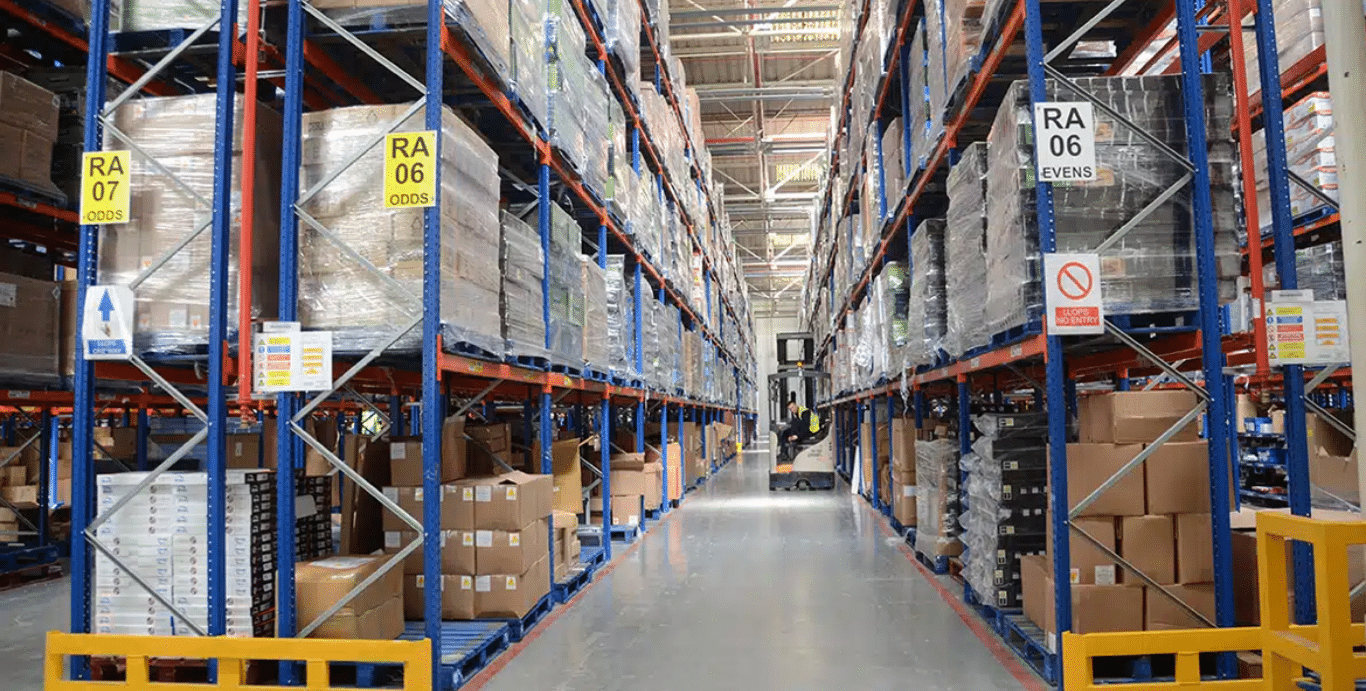
The shelves on your racking and shelving have been designed to carry a maximum weight. Overloading the structure is unsafe and places stresses that can cause it to fail. Every member of staff in your warehouse must understands what weight the structure can carry and how to correctly load the shelves.
It’s for this reason you should have load notices on your racking or shelving. This essential safety signage provides everyone working in that section with a clear and easy-to-understand explanation of its loading capacity.
Not every Load Notice looks the same but for it to be informative and useful to your employees it should have three clear sections:
- General Information
This part of the Load Notice offers reminders about general safety instructions. This includes reminders on carrying out racking inspections, not altering the structure without speaking to your supplier, reporting damage and not to climb the storage equipment. The sign also offers some helpful pointers such as where to find information and a reminder to speak to your supplier if you have a query. - The Specific Information Section
The part of the signage provides you with a detailed instruction on the safe working load of the bay, limiting weights and how to balance the pallets to ensure even distribution. - The Administrative Information Section
This section contains quick-to-find information on the supplier of the racking, including address and main contact number. Any shelving or pallet rack damage beyond your ability to repair should be referred to the supplier.
3. Shelving & Racking Safety Inspections

As the workhorse of most warehouses, racking and shelving typically bear the brunt of the Christmas season. Overloaded bays packed with sought-after festive goods, continuous loading and unloading as popular lines swiftly fly off the shelves, higher footfall from seasonal pickers finding their way around and the overall chaos of intense activity all increase the risk of damage that impacts on the structural integrity of your equipment. Any weaknesses in your setup are likely to surface quickly when demand peaks.
Routine Visual and Expert inspections are important year-round, but in December, they are even more crucial. Your racking and shelving must withstand heavier weights, constant movement and the relentless pace typical of this period.
These straightforward steps can prevent serious problems down the line:
- Confirm load capacity labels are visible and followed
- Inspect frames and uprights for damage or bending
- Identify obvious signs of wear and tear
The consequences of getting it wrong are significant – downtime throughout your busiest trading period, damaged stock when margins matter most and potential injuries, or worse, fatalities. Beyond the direct operational repercussions, if an accident occurs and the HSE investigates, you could be liable. That’s why it’s recommended that, as a warehouse owner, you’re aware of your responsibility to follow the guidance found in HSG76 and SEMA Codes of Practice.
For a comprehensive pallet racking inspection guide to support you in identifying faults before they escalate, read our blog on racking inspections.
Need to book an Expert inspection? Why not get one of our SEMA Approved Racking Inspectors in to help you out.
4. Check Your Material Handling Equipment
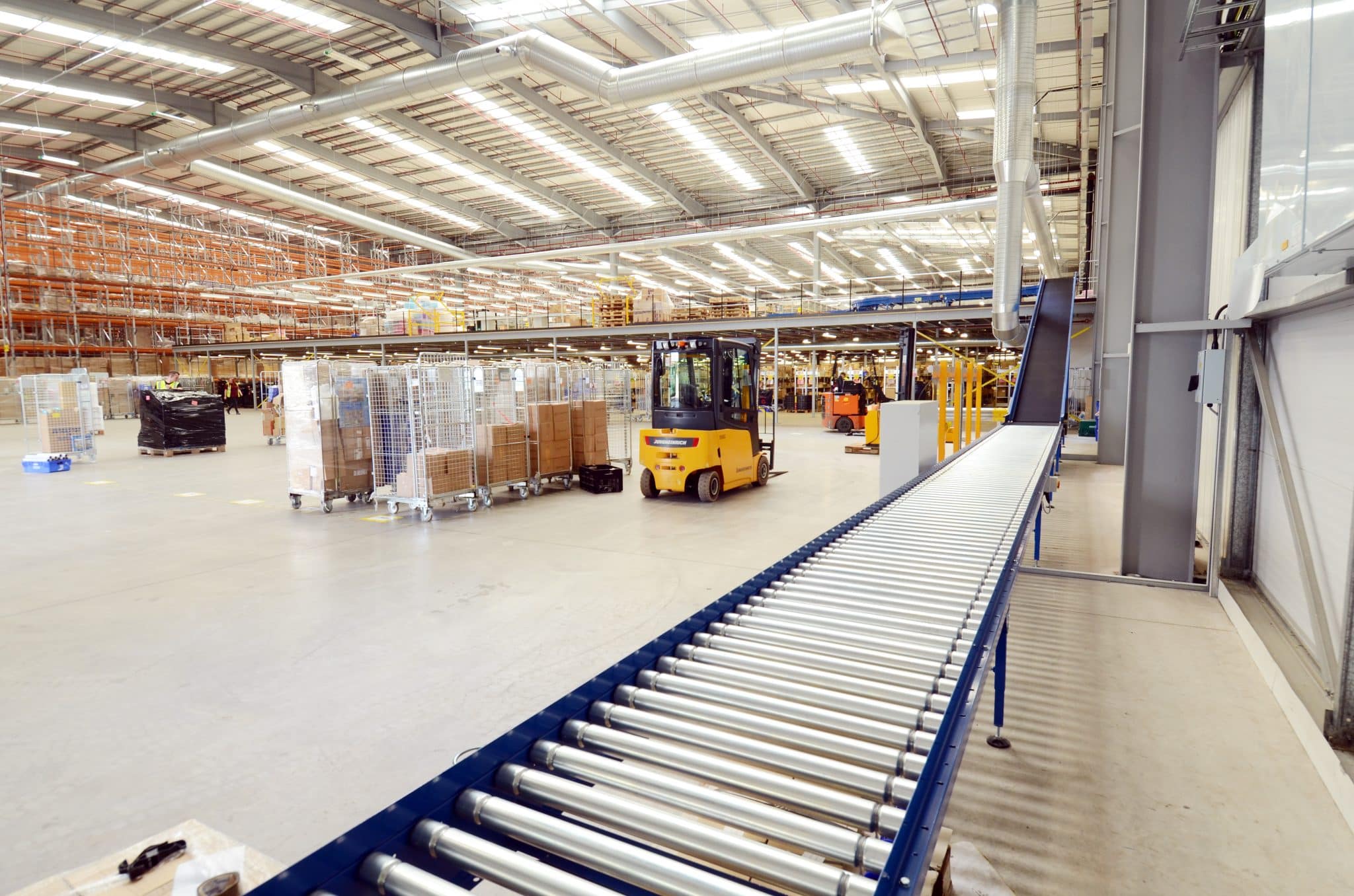
Supporting your operations is your Material Handling Equipment. You might have a full automation setup going on, conveyors moving stock around the space or forklift trucks picking items from the shelves. When any of these pieces of equipment fail, productivity comes to a halt, and nowhere is this felt more acutely than in a warehouse with large-scale operations. Before they’re put under sustained demand, your equipment require thorough inspections to identify any deterioration, defects, performance problems and hazards that could derail your busiest – and, for many, most profitable – season.
Physical inspection points and functional testing should include:
- Damage on the equipment e.g. belt wear and tear on conveyors
- Mechanical integrity, for example are hydraulic systems working on the your forklifts
- Confirm safety column guards are in place, secure and properly fitted
- Test emergency systems such as stop buttons or warning sensors
If possible, schedule racking inspections and a deep clean of the area so you can catch any issues early.
5. General Housekeeping
Good housekeeping doesn’t just establish an orderly and enjoyable environment for employees to work in; it also plays a huge part in workplace safety. By keeping environments unobstructed and free from hazards, accidents can be prevented – and with more feet on the ground, maintaining protocols becomes even more critical.
Making time to clean during busy phases can be difficult, and when the pressure is on, standards tend to slip. However, simple measures can help staff avoid slips and trips, keep stock easy to locate and maintain clear pathways – all of which help streamline processes and boost efficiency.
Aisle management
- Keep paths clear of discarded materials from increased deliveries
- Position bins at the end of each aisle, encourage staff to dispose of packaging and ensure bins are emptied on a regular basis
- Check that pedestrian and forklift signage is prominently displayed
- Don’t allow temporary stock spill over to create obstructions.
Lighting
- Replace flickering or failed lights, particularly in the darker zones of warehouses
- Ensure emergency lighting is functioning
- If required, consider additional lighting in areas where extended hours or night shift operatives may need better visibility
- With deliveries often taking place in the dark, don’t forget to check external loading bay lighting, too.
Floor condition
- Ensure any unavoidable trip hazards are identified and clearly marked out
- Make sure floor markings, such as pedestrian walkways and loading zones, haven’t worn away
- Reinforce immediate spill clean-up protocols.
Get your warehouse christmas ready with Teepee
Without proper planning, peak season can easily turn into a nightmare before Christmas. As Teepee demonstrates, prevention is better – and cheaper – than cure. A few hours of preparation now could save hours of disruption when you can least afford it.
If you need help getting Christmas-ready, we can help. We are approved suppliers by the Storage Equipment Manufacturers Association (SEMA) and we can offer you a range of warehouse storage solutions and rack safety training services that will get your team ready to conduct the visual inspections. We can also book you in for your annual inspection with one of our SEMA Approved Racking Inspectors. Their damage report will use a traffic light system to grade the damage on your storage racking systems.
Why not contact a member of the team today.