

- Posted on
- Chameleon
A Guide To Correct Pallet Placement
Correct pallet placement is essential for maintaining pallet racking safety in your warehouse. During rack inspections, one issue that frequently arises is the positioning of pallets within the racking system.
Although pallet positioning may seem like a minor detail, incorrect placement can lead to damaged racking components, unstable loads and serious safety risks. Following the manufacturer’s specifications and recognised industry guidance helps protect warehouse staff, stock and storage equipment.
Why Correct Pallet Placement Matters
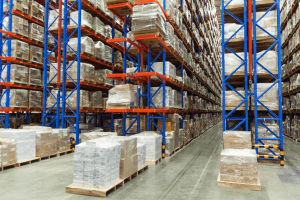
Pallet racking systems are designed to accommodate specific pallet dimensions, load capacities and storage arrangements. Correct positioning ensures pallets are adequately supported and that the required clearances are maintained.
Guidance from the Storage Equipment Manufacturers Association (SEMA) addresses the safe use of storage equipment and pallet positioning. Warehouse operators should follow the guidance applicable to their installation, alongside the manufacturers instructions and site procedures.
Maintaining appropriate clearances also gives forklift truck operators sufficient room to manoeuvre when loading and unloading. This reduces the likelihood of pallets striking upright, beam connectors or frame bracing.
Recommended Pallet Clearances and Overhang
The depth of a pallet racking frame is often designed to allow a suitable pallet overhang beyond the front and rear of the support beams. In some configurations, an overhand of approximately 50mm may be recommended to provide appropriate support and help distribute the load across the beams.
However, the correct clearance depends on the pallet dimensions, racking design and manufacturers specifications. Always check the requirements for the specific installation rather than applying one measurement to every system.
Pallets should be positioned securely, with loads distributed evenly and sufficient clearance maintained around them. Avoid placing loads so close to the racking structure that they could cause damage during handling.
The Risks of Positioning Pallets Flush with the Front Beam
Positioning pallets flush with the front beam may seem convenient, particularly when forklift operators are trying to maximise available space or align a pallet quickly. However, this practice can create several problems that compromise the safe operation of the racking system.
Damage to Front Beams
When a pallet is positioned incorrectly, the forklift most or load may strike the front beam during placement. Repeated impacts can damage the beam and affect the integrity of the racking system. Any suspected damage should be reported and assessed in accordance with the sites inspection procedures.
Insufficient Pallet support
Incorrect positioning can leave the rear of the pallet incorrectly supported by the beams. Depending on the pallet construction and the load, this may increase the risk of slats failing, the pallet becoming dislodged or goods falling from the racking.
Operators should ensure the pallets are correctly seated on their intended supports before withdrawing the forklift truck.
Reduced Back-to-Back Flue Clearance
In back-to-back racking arrangements, pallets positioned too far forward can reduce the clearance between opposing loads. This may affect the design flue spaces and create additional risks if goods become displaced towards the rear of the racking.
Maintaining the specified clearances is important for safe storage and must take account of the racking design and applicable fire safety requirements.
Common Pallet Placement Mistakes to Avoid
Even experienced warehouse teams can make mistakes when storing pallets, particularly in busy environments. Avoid these common issues to help protect stock, equipment and staff.
- Pallets positioned too far forward: Can increase the risk of contact with forklift masts and damage to front beams.
- Loads extending beyond the pallet: Overhanging goods can obstruct neighbouring loads or create clearance problems.
- Uneven weight distribution: Unbalanced loads may become unstable during lifting, movement or storage.
- Damaged pallets being reused: Broken boards or blocks can compromise support and increase the risk of a load shifting.
- Ignoring visible racking damage: Bent beams, damaged uprights or missing safety components should be reported promptly.
- Blocking aisles or access points: Poorly positioned stock can restrict forklift movement and make handling more difficult.
Clear communication between warehouse teams also helps ensure that storage procedures are followed consistently and potential hazards are reported before they lead to more serious problems.
The key takeaway: Always check the pallet, load and storage location before putting goods away. If something does not look right, stop and resolve the issue rather than forcing the pallet into position.
How to Improve Pallet Racking Safety
Consistent warehouse procedures can help reduce the risks associated with incorrect pallet placement. To improve warehouse safety:
- Position pallets correctly: Follow the racking manufacturers instructions and maintain the specified clearances.
- Check load stability: Ensure pallets are suitable for the goods being stored and that loads are evenly distributed
- Train forklift operators: Make sure operators understand the importance of pallet positioning and how to avoid striking racking components.
- Report damage promptly: Arrange an appropriate assessment if beams, uprights or other components are damaged.
- Carry out regular inspections: Use competent personnel to identify damage, unsafe loading practices and other potential hazards.
Taking a few extra seconds to position each pallet correctly can help prevent avoidable damage, protect warehouse staff and reduce costly disruption.
Everyday Checks for a Safer Warehouse
Small checks can make a big difference to the safe storage and movement of goods. Use the following checklist to help reduce avoidable damage and keep warehouse operations running smoothly.
1. Check Pallets Before Storage
- Look for cracked boards, broken blocks and other visible damage.
- Make sure goods are stable, evenly distributed and properly secured.
- Set aside unsuitable pallets before placing them in storage.
2. Keep Aisles Clear
- Remove packaging, spillages and other obstructions promptly.
- Maintain clear forklift routes and pedestrian walkways.
- Ensure lighting is sufficient for operators to see loads and racking clearly.
3. Train Staff on Safe Handling
- Make sure operators understand the limits of their equipment.
- Train staff to approach storage bays carefully and position loads correctly.
- Encourage employees to report damaged beams, uprights, fixings or safety clips.
4. Store Goods Correctly
- Follow the specified load limits for each bay and beam level.
- Place heavier goods at lower levels where the system design permits.
- Check that pallets are suitable for the intended storage location.
- Review any changes to load sizes, weights or warehouse layouts before use.
5. Make Inspections Part of the Routine
- Carry out regular visual checks for damage or movement.
- Record defects and arrange repairs through a competent specialist.
- Review procedures after near misses, equipment changes or alterations to the warehouse layout.
Protect Your Warehouse with Teepee Materials Handling
Prevention is better than cure. Correct pallet positioning, appropriate operator training and regular inspections all contribute to a safer and more efficient warehouse.
Teepee Materials Handling can help businesses understand the condition of their storage equipment and identify potential safety concerns. Find out more about our rack inspection services or explore our pallet racking systems.
For further advice about your warehouse storage requirements, please email us at:sales@teepee.co.uk or give us a call on: +44 (0) 1384 240405